How to identify and replace a faulty AdBlue pump on an HGV
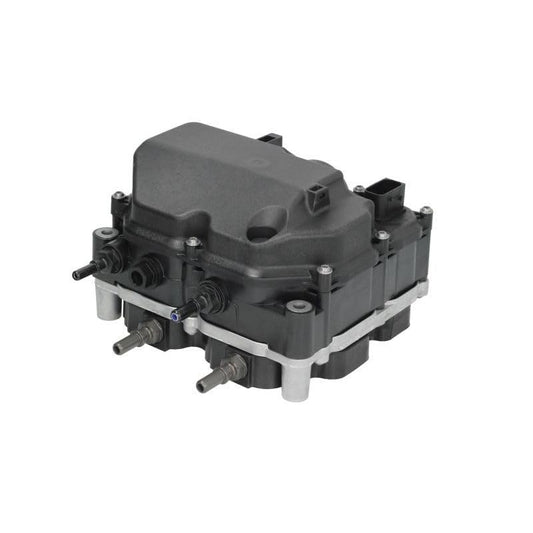
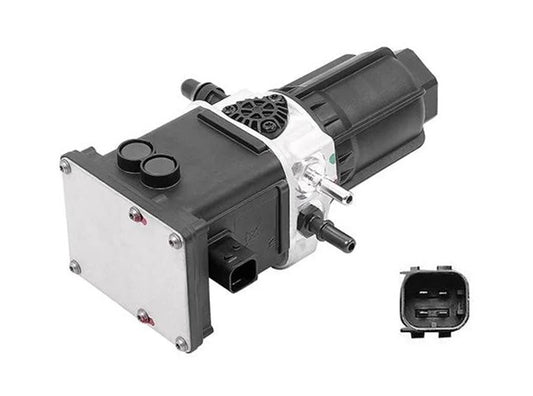
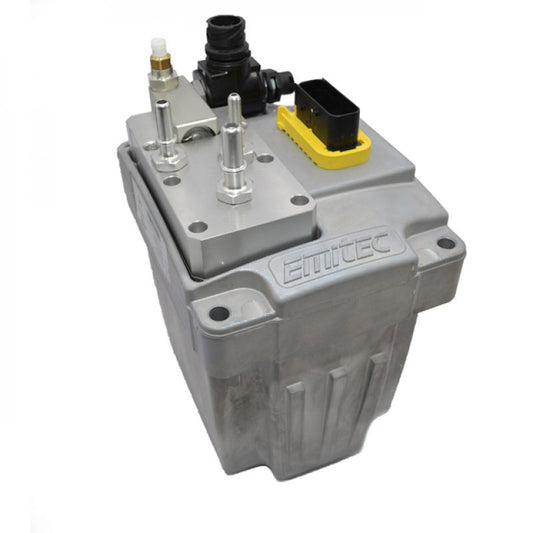
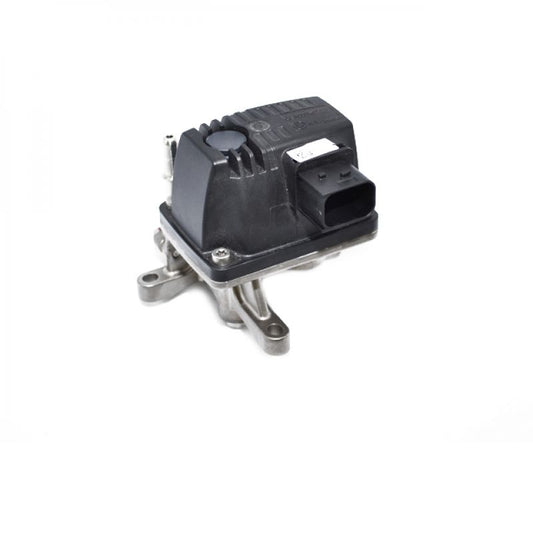
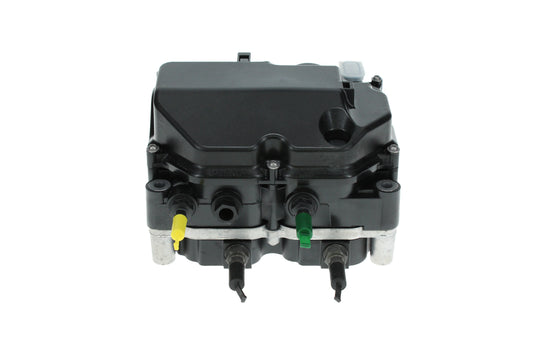
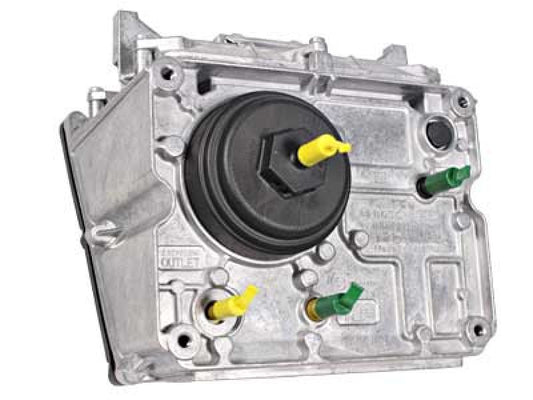
The AdBlue pump module sits either in or alongside the AdBlue tank. Its function is to draw the 32% urea solution from the tank and pressurised-feed it to the dosing injector in the exhaust system. On most heavy-duty trucks the pump is an electrically driven unit with an integrated filter and return line. Pump failure is one of the most common SCR system faults on higher-mileage vehicles.
Symptoms of a failing pump include fault codes for AdBlue pressure below threshold, low or no flow to the injector, and in some cases the SCR system refusing to dose entirely. You may see warning lights for the SCR system or NOx emissions before any visible fluid loss occurs. A worn pump can still circulate some fluid but not at the pressure the system needs, so fault codes don't always mean the pump has seized.
Before replacing the pump, it's worth ruling out simpler causes. A blocked filter screen inside the pump housing or suction line can restrict flow without killing the pump motor. Check the filter first. Wiring and connector integrity should also be checked: the pump draws significant current, and a corroded connector can cause intermittent faults that look like pump failure but aren't.
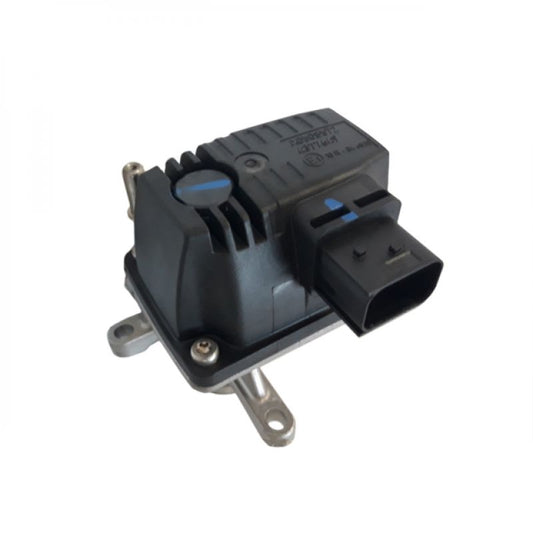
Aftermarket units are available for a wider range of makes. When ordering, always cross-reference the OE part number from the original unit. A 3-pin connector variant and a multi-pin variant are common across the Volvo range, and they are not interchangeable.
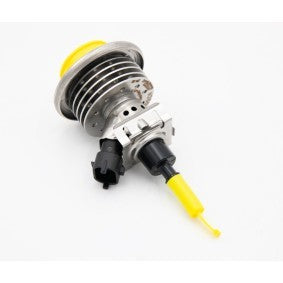
If the fault involves the injector rather than the pump, see our AdBlue Injectors collection. For a full overview of the SCR system and how each component interacts, visit AdBlue Systems. Not sure which pump you need? Call us on 01527 598 000.
Frequently Asked Questions
What does an AdBlue pump do on an HGV?
The AdBlue pump draws the 32% urea solution from the tank and delivers it at the correct pressure to the dosing injector in the exhaust system. Without adequate pump pressure, the injector cannot spray the correct quantity of AdBlue into the exhaust stream, and the SCR system stops working. Most modern HGVs monitor pump pressure continuously and will log fault codes if it drops below the required threshold.
How do I know if my AdBlue pump has failed?
The typical signs are fault codes for AdBlue pressure or flow, SCR system warning lights, and progressive engine derating. Some trucks will indicate an AdBlue system fault on the dashboard before any derating begins. A diagnostic scan will usually confirm whether the fault is in the pump circuit, the injector, or elsewhere in the SCR system. Physical checks should include the pump filter screen and wiring connector.
Can I replace an AdBlue pump without draining the tank?
On most HGV applications the pump can be removed and refitted without fully draining the AdBlue tank, though a partial drain is usually sensible to reduce spills during removal. AdBlue is not hazardous, but it is corrosive to certain metals, so protect surrounding components during the swap. After fitting, a diagnostic scan is needed to clear fault codes and confirm the system is dosing correctly.
What is the difference between a 3-pin and multi-pin AdBlue pump connector?
Connector configuration varies by make, model, and year of manufacture. On Volvo applications, a 3-pin connector variant and a multi-pin variant are both in use and they are not interchangeable. Always check the connector type on the original unit before ordering a replacement. If you're unsure, cross-reference the OE part number or call us with the chassis number.
Does Truckstop Group stock AdBlue pumps for all HGV makes?
We stock genuine Volvo AdBlue pump assemblies and aftermarket units for other major HGV makes including DAF, Scania, MAN, Mercedes-Benz, and Renault. Stock levels vary by application. If you need a pump for a less common variant, call us on 01527 598 000 and we can check availability or source it quickly.
What should I check before replacing the AdBlue pump?
Before replacing the pump, check the filter screen inside the pump housing or suction line for blockage, and inspect the wiring connector and harness for corrosion or damage. A faulty connector can produce fault codes that mimic pump failure. Also confirm the fault codes via a diagnostic scan to isolate the fault to the pump circuit rather than the injector or a sensor. Replacing the pump when the root cause is elsewhere wastes time and money.



 Sold out
 Sold out
 Sold out
 Sold out