Anti-roll bar bush replacement on HGVs: what the signs are and how to approach the job
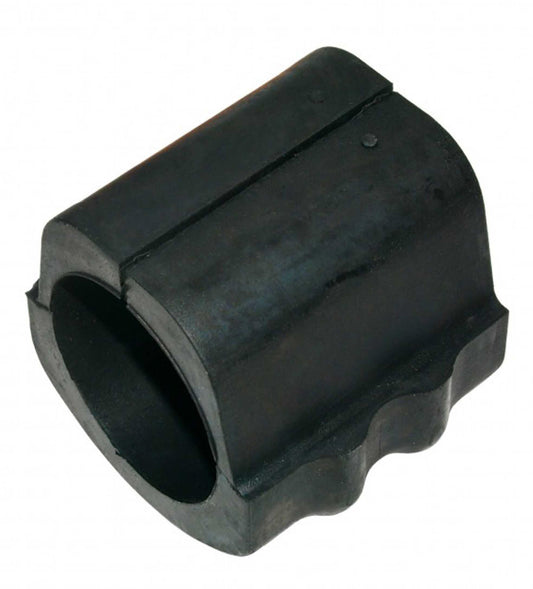
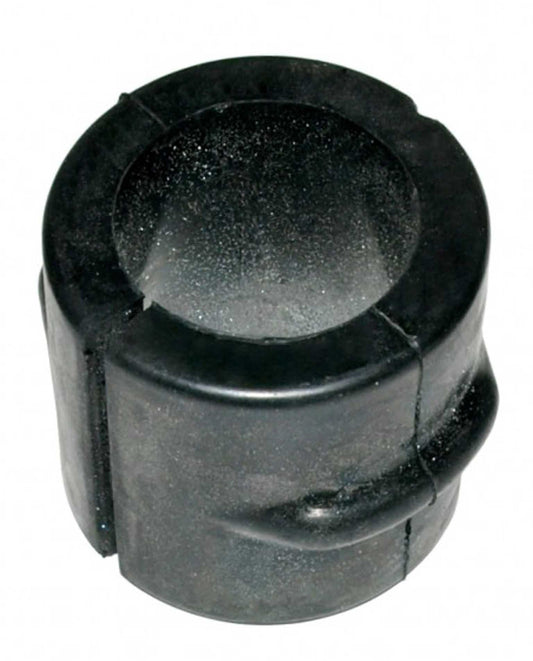
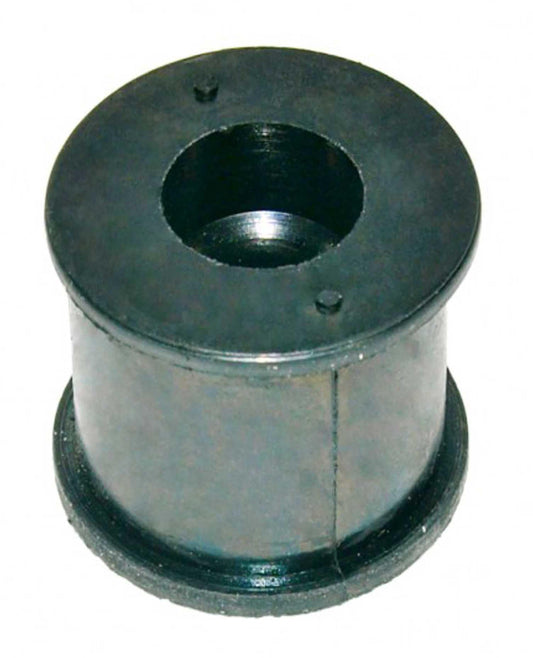
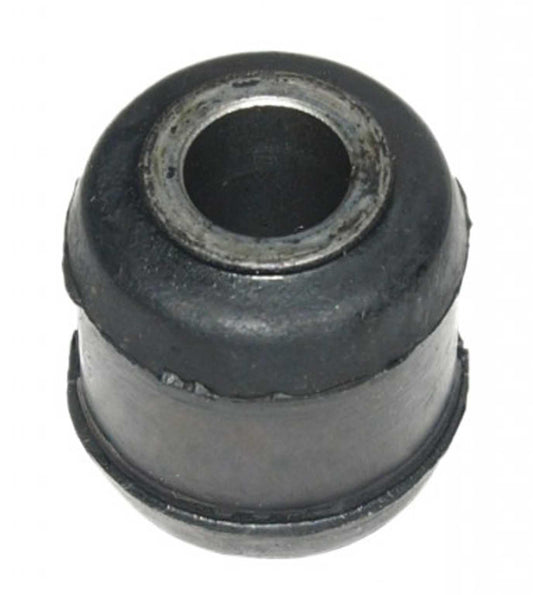
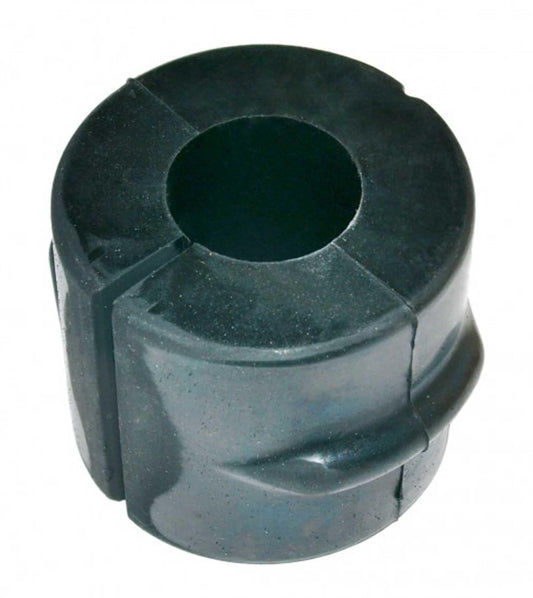
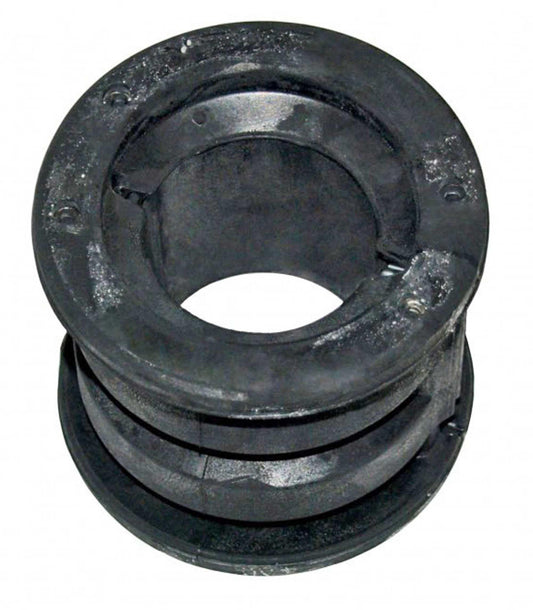
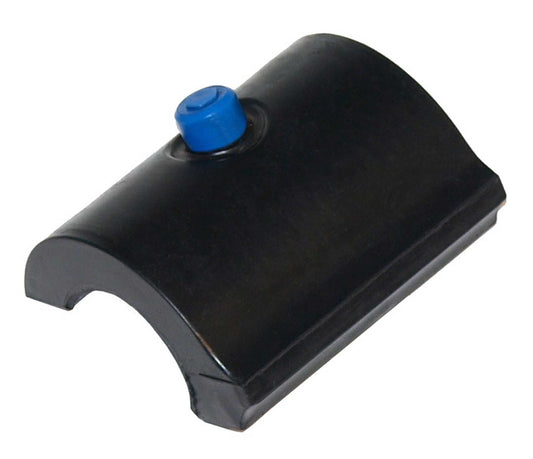
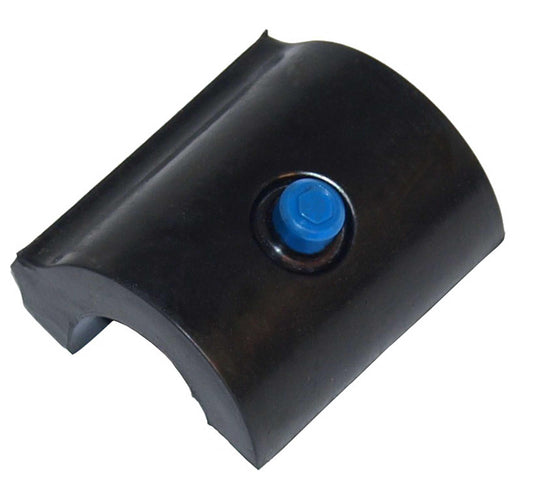
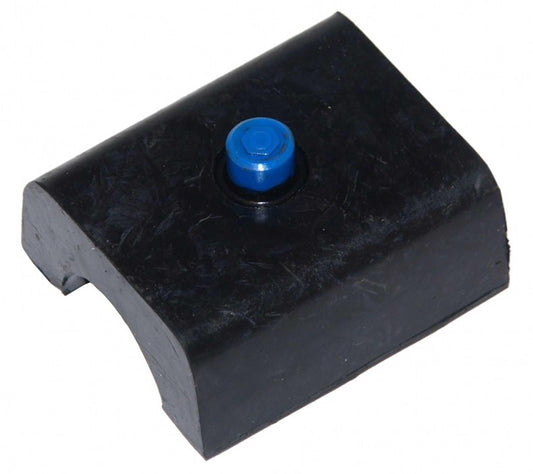
The anti-roll bar on an HGV is a torsion spring that connects the left and right sides of an axle and resists body roll in cornering. The bar sits in rubber bushes mounted to the chassis, and end links connect it to the suspension arms or axle. When the chassis-mount bushes wear, the bar can move fore and aft in its mounts, which causes a knock that is most noticeable on uneven road surfaces or when pulling away.
Worn anti-roll bar bushes are a DVSA annual test concern. Confirm the bush bore diameter and outer diameter before ordering. Anti-roll bar diameters vary between chassis and axle specifications, and fitting an incorrect bush will not provide the correct interference fit.
Frequently Asked Questions
How do I identify a worn anti-roll bar bush?
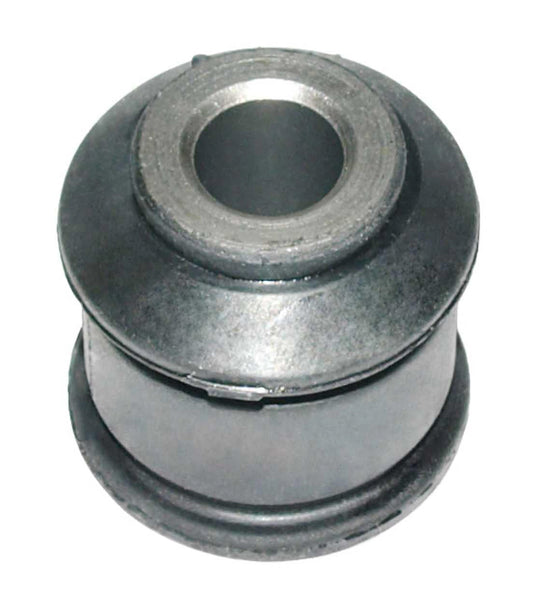
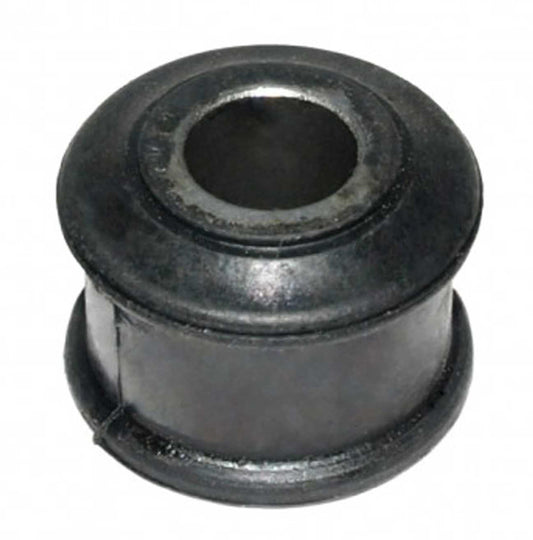
With the vehicle on a ramp, visually inspect the bushes for cracking, splitting, or separation of the rubber from the metal sleeve. Then use a pry bar to check for movement at the mount. Any fore-aft movement of the bar in the bush is evidence of wear.
Are anti-roll bar bushes a DVSA annual test item?
Yes. DVSA inspectors check for excessive play at suspension joints as part of the annual test. A significantly worn anti-roll bar bush that allows noticeable movement at the mount is a failure point.
Do I need to measure the anti-roll bar to order the right bush?
Yes. The bush bore must match the bar diameter. Anti-roll bar diameters vary by chassis and axle, so measure the bar diameter or cross-reference the OE part number before ordering.
Can I replace just the bushes, or do I need to replace the end links too?
The bushes and end links wear at different rates. If only the chassis-mount bushes are worn, those can be replaced independently. Check the end links at the same time: if the link ball joints show play, replace those too rather than returning to the job shortly after.