When to replace your AdBlue tank or cap
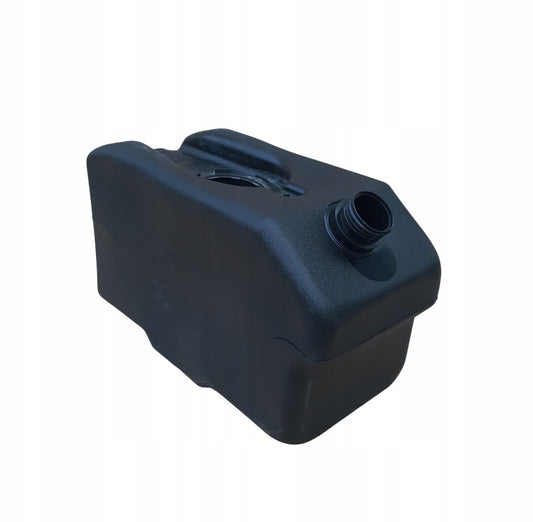
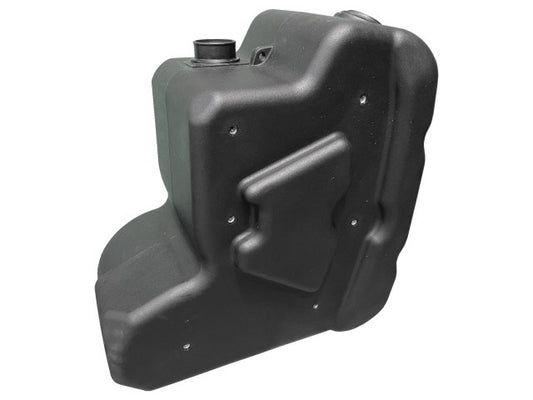
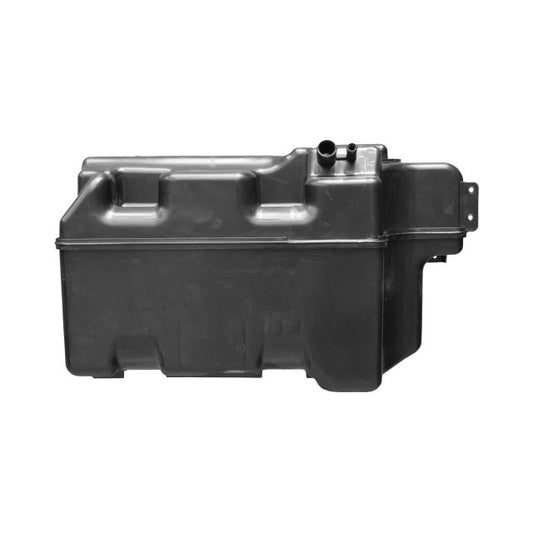
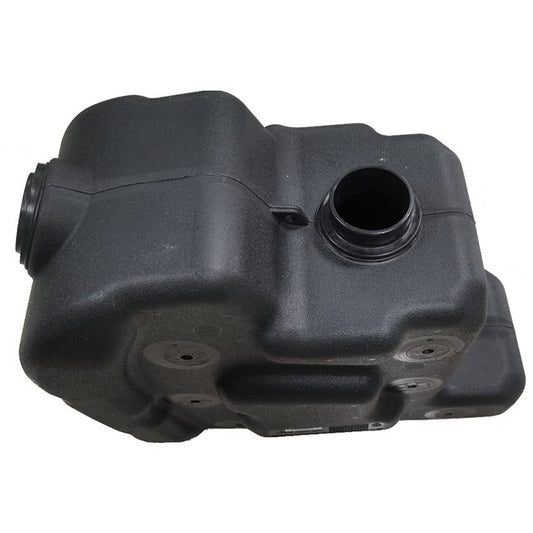
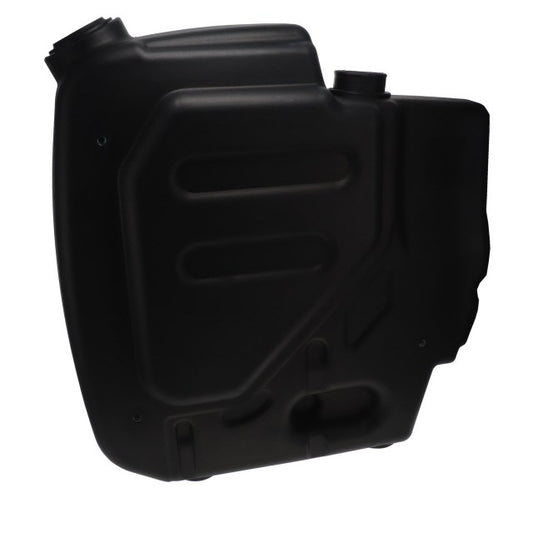
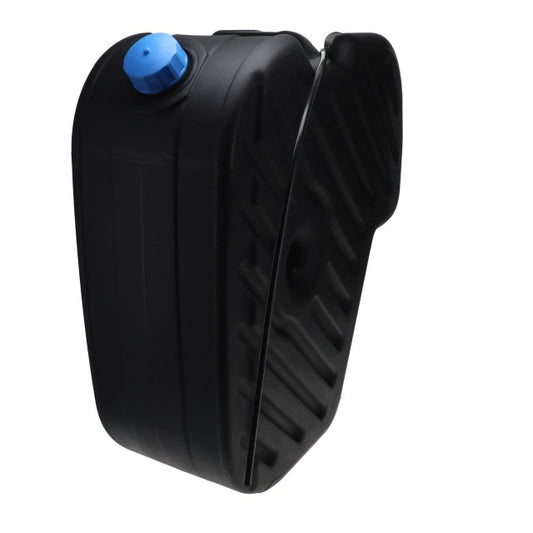
The AdBlue tank stores the urea solution that feeds the SCR system. On most HGVs it sits alongside the diesel tank and holds between 40 and 75 litres, though capacity varies by chassis. The tank is typically moulded from high-density polyethylene, which is chemically compatible with AdBlue but can crack from physical impact or UV degradation on older vehicles.
There are several reasons to replace the tank rather than repair it. Cracks around the filler neck or mounting points are common stress fractures on older chassis. A tank that has held contaminated fluid, particularly diesel or oil from a cross-contamination incident, should be replaced rather than flushed, as residual contamination can continue to affect the SCR system even after cleaning. And in some cases, the tank heating element or level sensor fails, and the housing needs replacing as part of the repair.
The filler cap is a simple component but an important one. The AdBlue filler on modern HGVs uses a smaller diameter than the diesel filler specifically to prevent accidental cross-filling. A missing or cracked cap allows moisture, dust, and debris into the tank. AdBlue is sensitive to contamination, and a degraded cap seal will allow progressive contamination even if the fluid level looks correct. Replacement caps are inexpensive and available for a wide range of makes and configurations.
When ordering a replacement tank, confirm the capacity and mounting configuration for your chassis. Tanks are not universal across makes and models, and the bracket positions and port configurations vary. Cross-reference the OE part number where possible. If you're replacing a tank following a contamination event, also check the condition of the pump filter and the injector before refilling. See AdBlue Pumps and AdBlue Injectors for related parts.
Need help identifying the right tank or cap for your vehicle? Call us on 01527 598 000.
Frequently Asked Questions
How do I know if my AdBlue tank needs replacing?
The clearest indicators are visible cracks, particularly around the filler neck or mounting points, and unexplained fluid loss without any obvious leak from pipework or fittings. A tank that has held contaminated fluid should also be replaced rather than flushed. If you're seeing persistent SCR fault codes despite using fresh AdBlue, a tank-level sensor or heating element fault may indicate the tank housing itself needs to be replaced.
Why does the AdBlue filler cap have a smaller diameter than the diesel cap?
The different filler cap sizes are a deliberate design feature to prevent drivers from accidentally putting AdBlue in the diesel tank or diesel in the AdBlue tank. Both would cause serious damage to the respective systems. The AdBlue filler is typically 19mm in diameter, while diesel fillers are significantly larger. Always use the correct filler neck and never force a cap that doesn't fit.
What happens if the AdBlue tank cap is missing or damaged?
A missing or damaged cap allows moisture, dust, and debris into the tank. AdBlue is sensitive to contamination: water dilutes the urea concentration, which affects dosing accuracy, and solid debris can block the pump filter or injector nozzle. Even a degraded cap seal that looks intact can allow progressive contamination. Replacement caps are inexpensive and worth changing at the first sign of damage.
Can I use any AdBlue tank on my truck or does it have to be make-specific?
AdBlue tanks are not universal. Capacity, bracket positions, port configuration, and the integration of level sensors and heating elements vary by make and model. A tank from a different chassis may not mount correctly or connect to the existing pipework. Always confirm the part number or check against your vehicle's chassis number before ordering. If you're unsure, call us and we can verify compatibility.
How much does it cost to replace an AdBlue tank on an HGV?
Replacement tank prices vary by make and configuration. Our range starts from under £300 ex. VAT for standard replacement tanks, with larger or more complex assemblies priced higher. Labour time for a straightforward tank swap is typically two to four hours at workshop rates. Before committing to a tank replacement, confirm that the fault is in the tank itself rather than the pump, cap, or pipework.
Should I replace the AdBlue pump filter when I replace the tank?
If the tank is being replaced following contamination or heavy crystallisation build-up, yes. Any debris or degraded fluid in the old tank may have already reached the pump filter or injector. Replacing the filter at the same time as the tank is inexpensive and avoids a second workshop visit. See AdBlue Pumps for compatible pump assemblies and filters.



 Sold out


 Sold out


