Trailer and vehicle electrical connection components
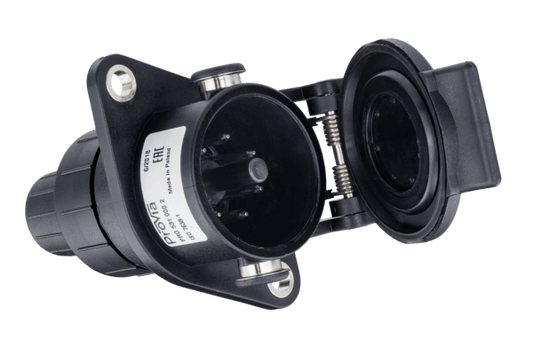
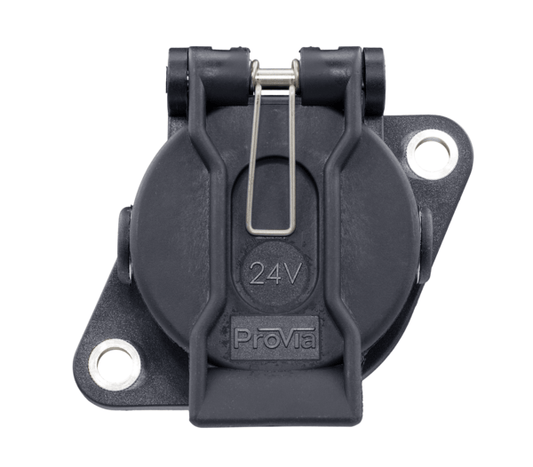
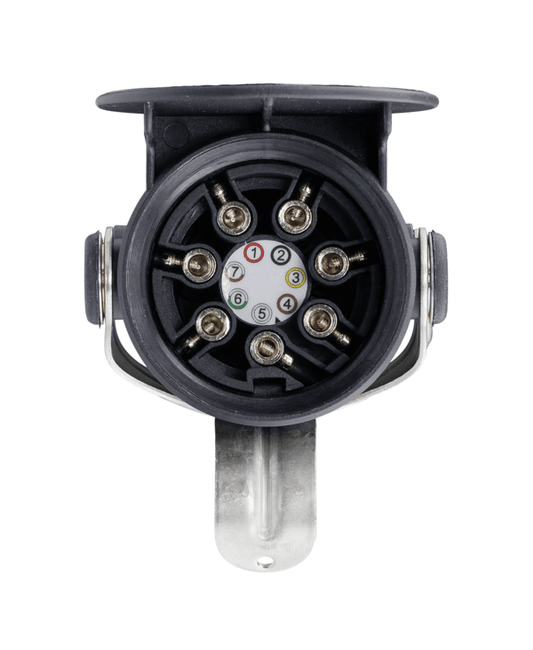
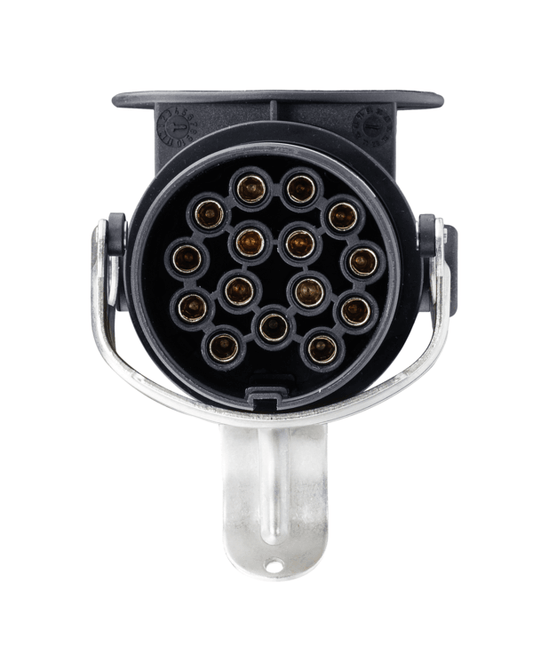
The tractor-trailer electrical interface is one of the most fault-prone areas on any articulated combination. The connection is made and broken every time the trailer is swapped, exposing the plug and socket pins to mechanical wear, moisture ingress, and in many cases road contamination. On a fleet with high trailer cycle frequency, plug and socket wear is a routine maintenance item.
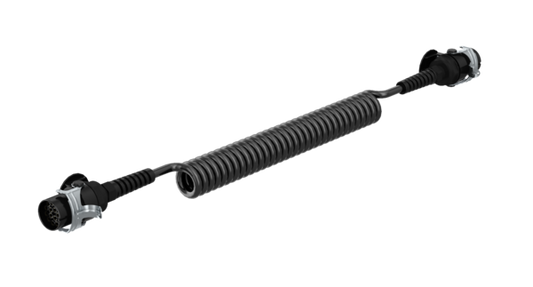
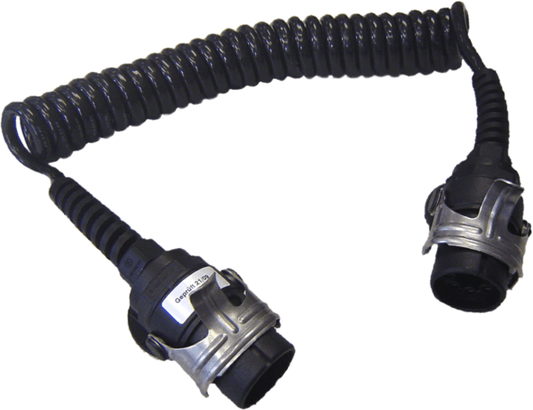
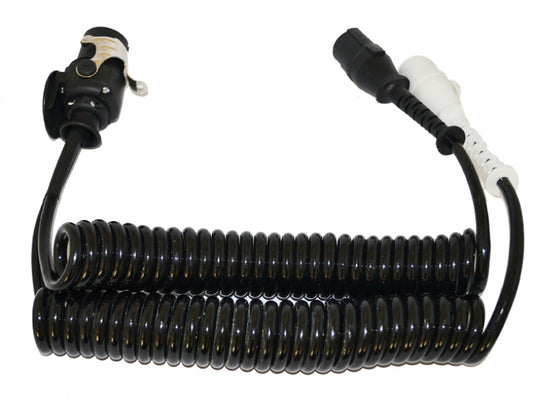
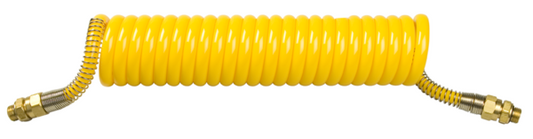
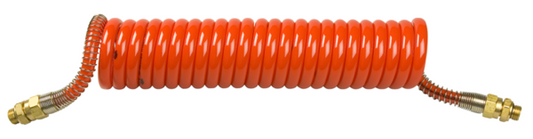
Beyond the physical connectors, the cable assemblies between the vehicle body and the fifth wheel area are subject to constant flexing and abrasion from the cab suspension and trailer movement. Cable failure in this section causes faults in the trailing circuits, typically affecting the lights and braking systems that run through the connection. Replacement cable assemblies with correct routing and adequate slack to accommodate suspension travel are required.
Junction boxes and distribution blocks used to split trailer power and lighting circuits are also stocked, along with gland fittings, cable entry seals, and weatherproof enclosures for mounting in trailer body sections. If you're tracing an intermittent trailer electrical fault or wiring a new build, call us and our team can help identify the correct components.
Frequently Asked Questions
What causes most trailer electrical connection faults?
The most common causes are corrosion on the plug and socket pins from moisture ingress, mechanical wear from repeated connection and disconnection, and cable fatigue in the lead from the vehicle body to the plug. Trailers that are frequently swapped will wear through plugs faster than dedicated trailer-tractor combinations. Inspect plugs and sockets at every hitch and replace at the first sign of pin corrosion or housing damage.
How often should I replace the trailer wiring plug on my tractor unit?
On vehicles with high trailer cycle frequency, annual plug replacement is common practice on the tractor side. On vehicles with a dedicated trailer, the interval is longer. The physical condition of the pin contacts is the main indicator: once pins show pitting or corrosion that affects the electrical contact, replace the plug rather than waiting for a fault to develop.
Do you stock complete trailer cable assemblies?
Yes. We stock cable assemblies that run from the vehicle body to the trailer plug position, including the correct connector at each end. These assemblies are made up in standard lengths and with the correct cable core count for 7-pin N-type, S-type, and 15-pin ISO 11992 circuits. Call us if you need a custom length or non-standard configuration.
What is the correct way to route and support the trailer cable on a tractor unit?
The cable should have enough free length to accommodate full fifth-wheel slider travel and cab suspension movement without going taut. Support the cable at intervals along its run using P-clips or cable saddles, avoiding sharp bends and contact with hot or moving components. The cable should not drag on the ground at any point in the suspension travel range.