Air brake fittings for HGVs at Truckstop Group
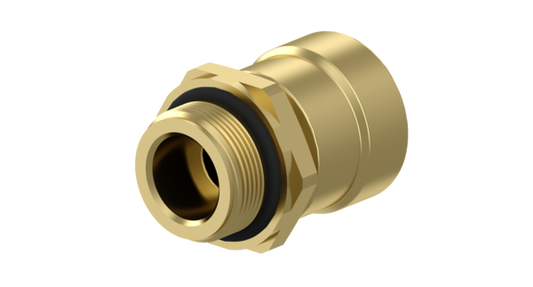
Air brake fittings are the connections between air lines, valves, spring brake chambers and the other components of the HGV pneumatic circuit. They are small parts, but a corroded stud coupling or a cracked push-in fitting can cause an air leak that builds slowly, shows up as increased compressor cycling, and eventually causes pressure to drop below the threshold needed for the secondary braking circuit. An audible air leak from a fitting is a fault that needs the vehicle off the road.
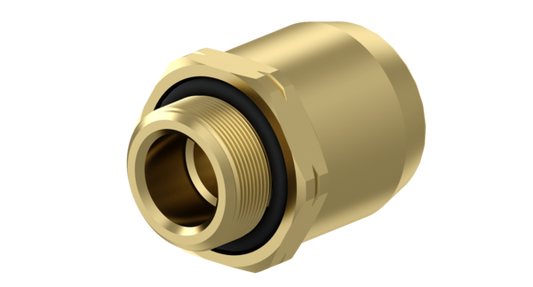
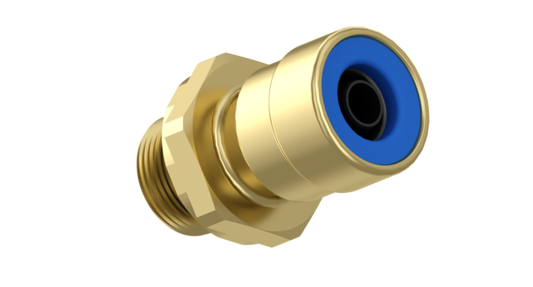
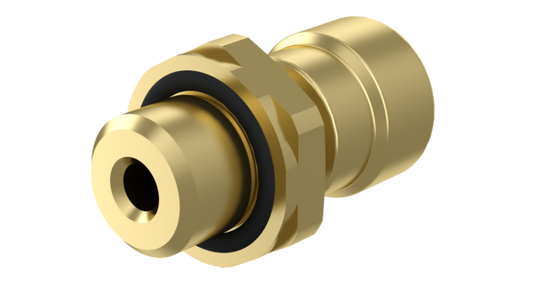
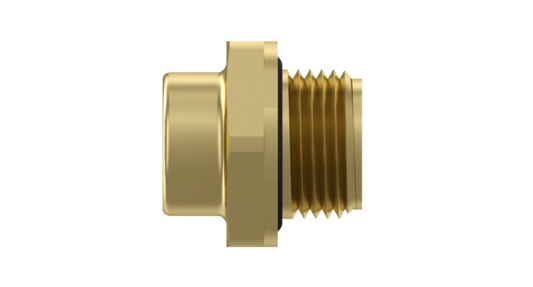
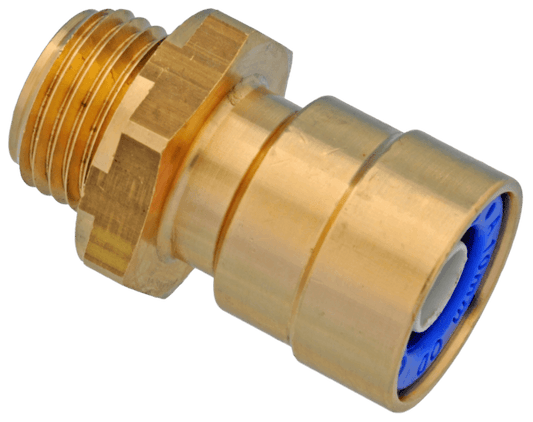
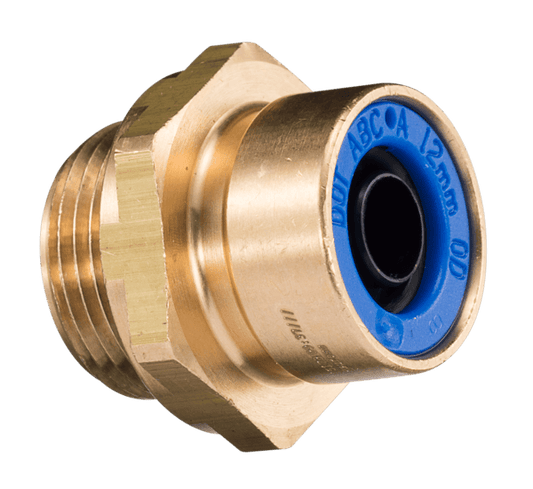
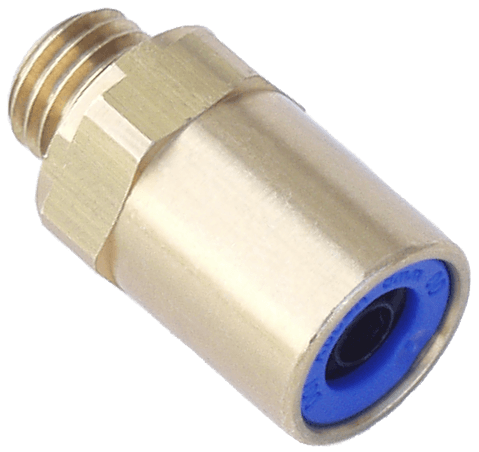
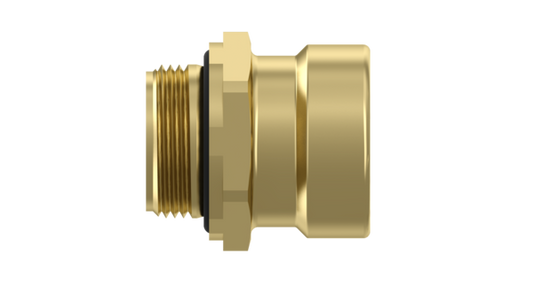
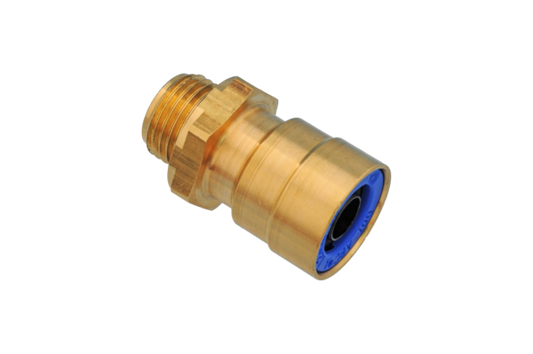
Stud couplings join air lines via a threaded connection, providing a strong, high-pressure seal. They are used throughout the main brake circuit and at valve connections. Bulkhead couplings allow air lines to pass through chassis panels or bulk-heads with a sealed, chafe-resistant connection. Push-in fittings — the most common type in modern air brake systems — allow fast, tool-free connection and removal, with an internal locking ring that provides a reliable seal under pressure. All fittings in this range are rated for commercial vehicle operating pressures.
When inspecting or replacing fittings, check the air line itself at the connection point: a deteriorated line end at a push-in fitting is a common cause of slow leaks that reseal temporarily after manipulation. Replacing the fitting alone on a deteriorated line is a short-term repair. UK nationwide delivery.
Frequently asked questions
How do push-in air brake fittings work?
Push-in fittings use a collet and O-ring mechanism inside the fitting body. When the air line is pushed in, the collet grips the outer surface of the line and the O-ring seals the bore. To release, the release collar is pressed while withdrawing the line. The connection is secure under pressure and allows fast maintenance without tools.
What causes air leaks at brake fittings?
Corrosion on stud couplings, damaged O-rings in push-in fittings, cracked fitting bodies from vibration fatigue and contaminated air lines that prevent a proper seal at the collet are the most common causes. Leaks often appear at fittings in areas with high vibration exposure or where the air line has been flexing under vehicle movement.
Is a small air leak in the braking system a safety concern?
Yes. HGV air braking systems are designed to maintain pressure within a defined range. A leak that causes the compressor to cycle more frequently will eventually result in pressure falling below the secondary circuit threshold, activating the spring brakes. Any audible air leak from the braking system should be investigated and repaired promptly.