How to choose the right AdBlue injector for your truck
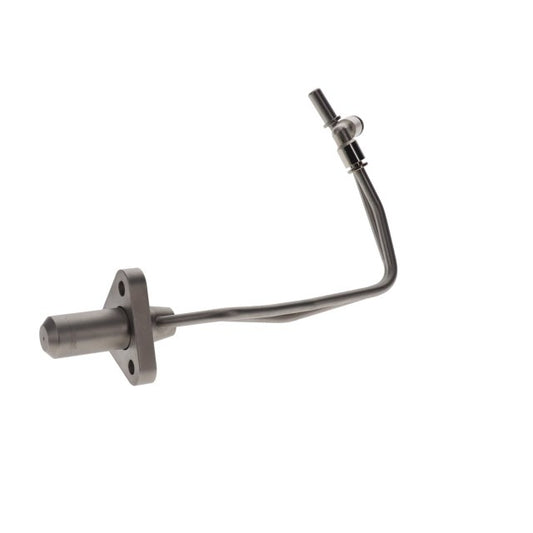
The AdBlue injector sits in the exhaust pipe between the diesel particulate filter and the SCR catalyst. Its job is to atomise AdBlue fluid into a fine mist and spray it into the hot exhaust gases. The fluid then breaks down into ammonia, which reacts with NOx inside the catalyst to produce nitrogen and water. The injector is controlled electronically by the engine management system, which calculates the correct dosing rate based on exhaust temperature, engine load, and NOx sensor readings.
Most failures come down to one of four causes. Urea crystal build-up is the most common: when AdBlue dries around the nozzle tip, solid deposits form and block the spray holes. This is more likely on vehicles doing short urban routes where exhaust temperatures don't get high enough to fully evaporate the fluid. Electrical faults, including solenoid failure and wiring corrosion at the connector, are the second most common cause. Pump pressure loss and contaminated AdBlue fluid account for most of the rest.
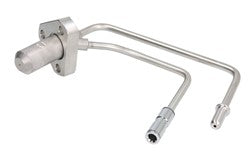
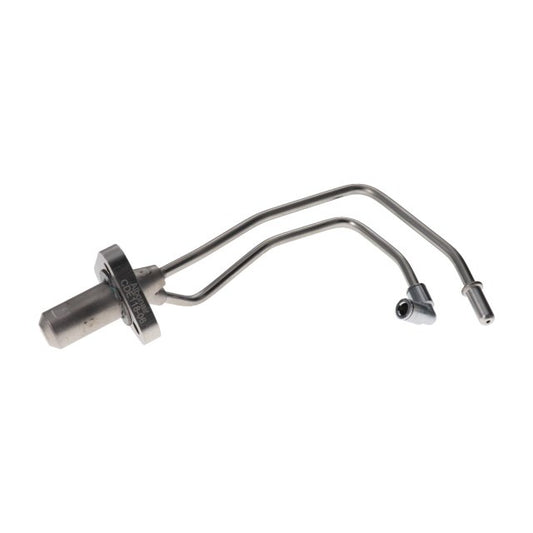
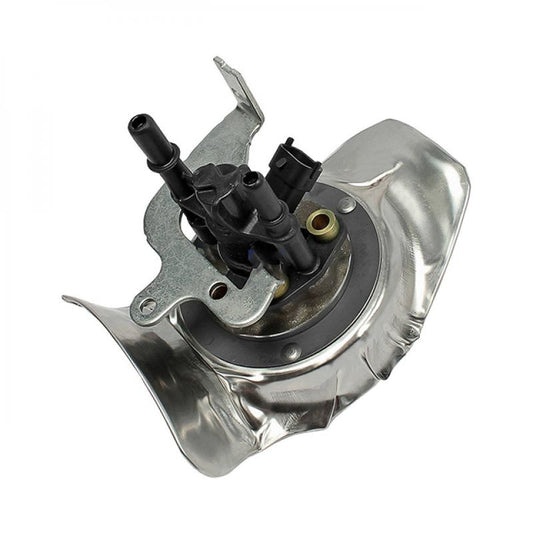
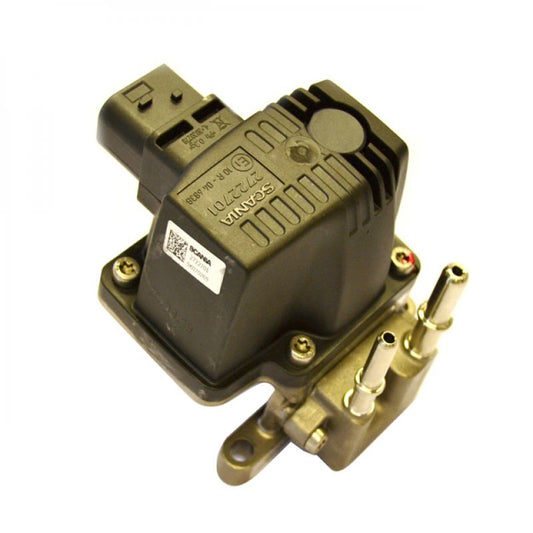
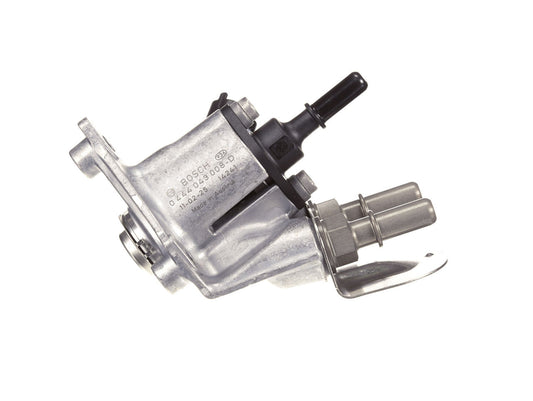
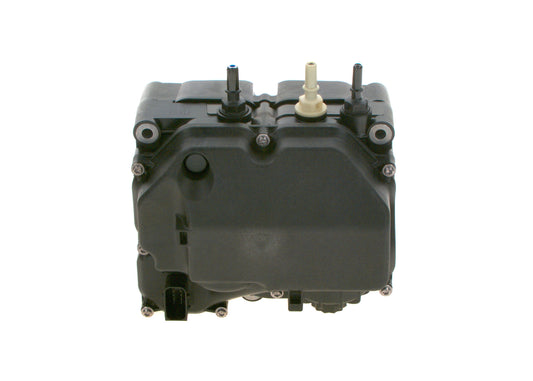
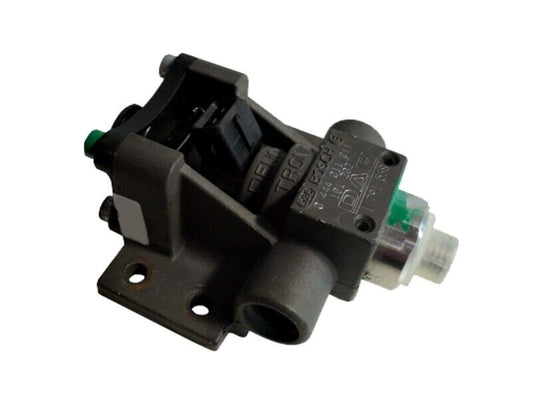
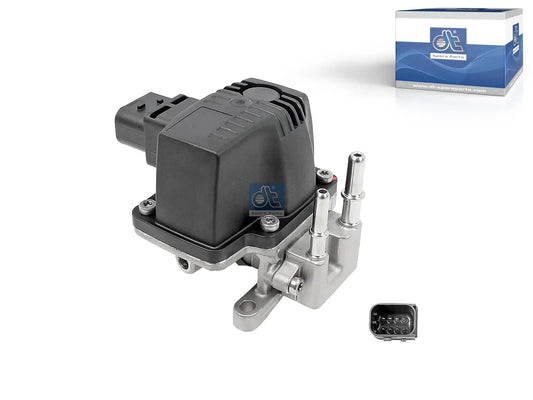
On many HGVs the injector assembly is referred to as a dosing module. Both terms refer to the same component. Bosch dosing modules are fitted to DAF LF and DAF CF applications, while Volvo and Renault trucks typically use a proprietary injector assembly (OE part numbers 21679307 and 22588556 for Volvo, 7421679307 and 7422588556 for Renault). Scania runs its own dosing system. Always cross-reference the OE part number from the original unit to confirm fitment.
For a detailed technical guide covering failure symptoms, diagnostic steps, and replacement procedures, read our article: The Ultimate Guide to AdBlue Injectors.
If you're not certain which injector you need, call us on 01527 598 000 with the chassis number and engine code. We can check fitment before you order. See also our AdBlue Pumps collection if the fault points to the pump module rather than the injector.
Frequently Asked Questions
What are the symptoms of a failed AdBlue injector on an HGV?
The most common symptoms are a dashboard warning for the SCR or AdBlue system, followed by engine derating. If left unresolved, the vehicle will typically be limited to one restart before immobilisation. You may also see fault codes relating to NOx sensor readings being out of range, or dosing quantity errors logged by the ECU. Visible urea crystal deposits around the injector tip or exhaust pipe are a strong physical indicator.
What is the difference between an AdBlue injector and a dosing module?
They refer to the same component. The dosing module is the assembly that controls the flow of AdBlue into the exhaust stream. On some makes the term 'dosing module' refers specifically to a combined unit that includes the injector, pressure regulator, and electronics in one housing. In practice, when ordering a replacement, both terms describe what you need. Always confirm using the OE part number from the original unit.
How long does an AdBlue injector replacement take?
On most HGV applications, the physical swap takes one to three hours for an experienced technician. Access varies by chassis. After replacement, a diagnostic scan tool is needed to clear stored fault codes and confirm the system is dosing correctly. Some makes require a recalibration procedure via the diagnostic software after fitment.
Can a blocked AdBlue injector be cleaned rather than replaced?
In some cases, light crystallisation can be cleared by soaking the injector tip in warm water to dissolve the urea deposits. This works for surface build-up but does not address internal blockages or solenoid failure. If the injector has been passing fault codes for some time or shows signs of heat damage, replacement is the more reliable option. Cleaned injectors should be retested for correct spray pattern before refitting.
Which trucks is the Bosch dosing module used on?
Bosch dosing modules are fitted to several DAF applications, including the DAF LF and DAF CF. If you have a DAF and are seeing SCR fault codes, the Bosch dosing module is a common culprit. Cross-reference the OE part number from the unit on the vehicle before ordering. Volvo and Renault use their own proprietary injector assemblies, while Scania runs a separate SCR dosing system.
Is an OEM AdBlue injector always better than an aftermarket one?
OEM parts are manufactured to the original specification and are a safe choice for high-mileage or fleet applications where reliability is the priority. Quality aftermarket injectors that meet OEM tolerances are a cost-effective alternative for older vehicles. The key is to avoid unbranded parts with no specification data, as an incorrect spray pattern or flow rate will cause dosing errors and may shorten catalyst life.

 Sold out


 Sold out