
The AdBlue system is something you typically only notice when a warning light appears on the dashboard. Suddenly the vehicle begins counting down to reduced power, the emissions system demands attention, and the words "SCR fault" appear on the display.
In many of these situations the root cause is a small but vital component known as the AdBlue injector. This guide explains exactly what an AdBlue injector does, how it works inside a modern SCR emissions system, why it fails, and what it takes to diagnose and replace one on a truck.
What does an AdBlue injector do?
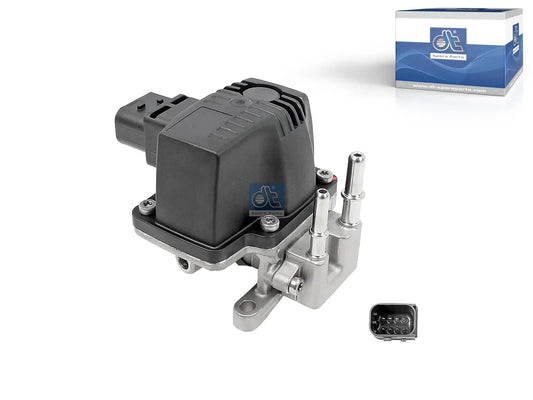
An AdBlue injector, sometimes called a 'dosing injector' or 'dosing valve', is responsible for delivering a precise amount of diesel exhaust fluid into the exhaust system of a diesel engine.
AdBlue itself is a mixture of purified water and urea. When injected into the hot exhaust gases of a diesel engine, it triggers a chemical reaction that converts harmful nitrogen oxide emissions into nitrogen and water vapour.
This process takes place inside a component known as the SCR catalyst, which stands for Selective Catalytic Reduction.
The injector is vital in this process because the system must deliver exactly the right amount of fluid. Too little AdBlue and the catalyst cannot reduce emissions effectively. Too much, and the system risks ammonia slip or internal deposits inside the exhaust system.
The injector acts like a finely controlled spray nozzle, atomising AdBlue into a mist and injecting it into the exhaust stream before the SCR catalyst.
Once the fluid mixes with hot exhaust gases, it breaks down into ammonia, which then reacts with nitrogen oxides inside the catalyst to produce harmless gases.
This entire process happens automatically and continuously while the vehicle is running.
Where does the AdBlue injector sit in the exhaust system?
The injector sits between the diesel particulate filter and the SCR catalyst. The typical layout looks like this:
Engine exhaust gases leave the turbocharger and pass through the oxidation catalyst and diesel particulate filter. After this stage the exhaust gases reach the AdBlue dosing point where the injector sprays the fluid into the exhaust stream.
The mixture then travels through a mixing pipe before entering the SCR catalyst, where the chemical reaction takes place.
Positioning the injector after the particulate filter ensures that soot particles do not interfere with the spray pattern. It also gives the fluid enough time to mix with the exhaust gases before reaching the catalyst.
Although the exact position varies slightly between manufacturers such as DAF, Volvo, Mercedes‑Benz or Scania, the overall concept is the same across modern heavy-duty diesel engines.
How does an AdBlue injector work?
Inside the injector is an electronically controlled solenoid valve. The engine control unit activates the injector at specific times based on data from several sensors.
The ECU monitors engine load, exhaust temperature and nitrogen oxide levels using NOx sensors positioned in the exhaust system. Based on this information, the system calculates the correct dosing rate.
When the ECU sends a signal, the solenoid valve opens, and a measured quantity of AdBlue is sprayed into the exhaust system. The injection event lasts only a fraction of a second, yet it must be extremely accurate.
The dosing process is not tied to engine speed in the same way as fuel injection. Instead, it is controlled by emissions requirements. Under heavy load the engine produces more nitrogen oxides, which means the system must inject more AdBlue. Under lighter conditions the dosing rate drops.
The system only begins injecting fluid once the exhaust temperature is high enough for the chemical reaction to take place. On many trucks this occurs when the exhaust gases reach roughly 200 degrees Celsius.
How often does AdBlue get injected?
AdBlue injection is not a fixed interval process. It happens continuously while the engine is operating under conditions that require emissions reduction.
Rather than injecting at specific mileage intervals, the ECU adjusts the dosing rate based on real‑time sensor data. That means the system may inject small amounts of fluid frequently during motorway driving or heavy hauling, while injecting far less during light operation.
Most heavy-duty trucks consume AdBlue at a rate of around 3% to 5% of diesel consumption. So, for example, a vehicle burning 100 litres of diesel might use roughly 3 to 5 litres of AdBlue during the same period.
Because the injector operates so frequently and in such a hostile environment, it must withstand high temperatures, vibration and chemical exposure for thousands of hours of operation.
What can cause AdBlue injectors to fail?
Although the component itself is relatively simple, the environment it operates in is extremely harsh. Several issues can lead to injector failure over time.
The majority of injector failures are not random electrical defects. Most problems follow recognisable patterns linked to operating conditions, vehicle duty cycles and maintenance practices.
One of the most common causes is crystallisation of the AdBlue fluid. When AdBlue dries, it leaves behind solid urea crystals. These crystals can block the small holes in the injector nozzle or interfere with the spray pattern.
Repeated short journeys can increase the likelihood of this problem. If the exhaust system does not reach a high enough temperature, the fluid may not fully evaporate, allowing deposits to build up inside the injector tip.
Electrical faults can also cause problems. Because the injector is controlled by a solenoid, wiring faults or coil failure can prevent the valve from opening correctly.
Contaminated or poor-quality AdBlue is another potential issue. AdBlue must meet strict ISO standards. Impurities in the fluid can damage the injector and other SCR components.
Finally, the injector relies on pressure supplied by the AdBlue pump module. If the pump fails or pressure drops, the injector may not receive enough fluid to operate correctly.
The chart below summarises the most commonly reported causes of AdBlue injector failure in commercial vehicles:
|
Failure cause |
Likelihood |
What happens inside the system |
|
AdBlue crystallisation |
Very common |
Urea deposits block injector nozzle or distort spray pattern |
|
Low exhaust temperature operation |
Common |
Fluid does not evaporate correctly, allowing deposits to form |
|
Electrical failure |
Occasional |
A solenoid coil or wiring prevents injector from opening |
|
Contaminated AdBlue fluid |
Occasional |
Impurities clog injector and damage SCR components |
|
AdBlue pump pressure issues |
Less common |
Injector cannot deliver correct spray volume |
|
Physical damage or corrosion |
Rare |
Environmental exposure damages injector body or connector |
This is why it's best to look beyond the injector itself when diagnosing faults. If crystallisation has occurred, there may also be deposits forming further down the exhaust system or within the dosing pipe.
If the fault code points to the pump rather than the injector, see our AdBlue pumps collection. For NOx sensor faults logged alongside an SCR warning, browse NOx sensors.
What are the symptoms of a failing AdBlue injector?
The first sign is usually a dashboard warning message indicating an emissions system fault. Alerts such as "SCR system malfunction" or "AdBlue system fault" may start to appear, though these will depend on the vehicle manufacturer.
The vehicle may also consume noticeably more AdBlue than normal, as a leaking injector can allow fluid to drip into the exhaust system rather than spraying correctly.
White crystalline deposits around the exhaust pipe or injector area can also indicate a dosing problem.
If the system detects that emissions cannot be controlled correctly, the engine control unit may begin reducing engine power. This process is known as 'derating' and is designed to encourage drivers to repair the emissions system quickly.
Replacement AdBlue injectors and dosing modules for DAF, Volvo, Scania, MAN, Mercedes-Benz, Renault, and Iveco are in stock at Truckstop Group. Next-day delivery to UK mainland, or same-day collection from our branches in Redditch, Worcester, Birmingham, and Evesham.
What happens if an AdBlue injector fails?
When the injector stops functioning correctly, the SCR system can no longer reduce nitrogen oxide emissions effectively.
The consequences can escalate quickly. The first stage is typically a warning light or fault message on the dashboard. At this point the vehicle may still operate normally, but the system is alerting the driver that something is wrong.
If the issue is not resolved, the engine control unit may begin limiting engine performance. Power reduction helps ensure the vehicle does not continue producing excessive emissions.
Euro 6 trucks use a staged approach. The system may display a countdown showing how many miles remain before the engine is restricted further. Eventually the vehicle may enter limp mode or limit speed.
In extreme cases some systems will prevent the engine from restarting until the fault is repaired.
Prolonged injector failure can also damage the SCR catalyst. Incorrect dosing may allow deposits to build up inside the catalyst or reduce its efficiency.
Given that an SCR catalyst can cost several thousand pounds to replace, addressing injector problems early is the most cost-effective approach.
Can you drive with a failed AdBlue injector?
Technically a truck may still move with a failed injector, but doing so is inadvisable.
Modern emissions systems are designed to prevent prolonged operation with faulty components. Continued driving will often trigger progressive engine restrictions.
If this occurs, you may experience reduced power, limited speed or warnings that the vehicle will soon be unable to start after shutdown.
Operating a truck with a malfunctioning emissions system can also create compliance problems. Vehicles that fail to control emissions properly may not pass regulatory inspections or MOT tests.
How to check if an AdBlue injector is working
Diagnosing an injector problem starts with a basic inspection before moving to electronic diagnostics.
Start by examining the injector body and surrounding components. Signs of crystallised AdBlue around the nozzle or pipework can indicate leakage or incorrect dosing.
The electrical connector and wiring harness should also be inspected. Corrosion or damaged wiring can interrupt the signal from the engine control unit.
A diagnostic scan tool is usually required for deeper testing. A technician can read stored fault codes and observe live data from the SCR system. Information such as NOx sensor readings, exhaust temperature and dosing commands can reveal whether the injector is responding correctly.
Many diagnostic systems also allow for actuator tests. During this procedure the ECU commands the injector to spray fluid while the technician observes the result.
If necessary, the injector may be removed for further inspection or testing. Checking the spray pattern and flow rate can confirm whether the nozzle is partially blocked or operating normally.
For the scan tool side of the job, browse diagnostic equipment at Truckstop Group.
Can an AdBlue injector be cleaned?
Cleaning is sometimes possible, particularly when crystallised deposits are the main problem.
AdBlue crystals dissolve in water, so flushing the injector with warm water can remove minor deposits. Some workshops also use ultrasonic cleaning equipment to break down stubborn build‑up inside the nozzle.
There are specialist cleaning products designed for SCR systems as well. These can help dissolve urea deposits in certain situations.
However, cleaning does not always provide a permanent solution. If the injector has suffered internal corrosion or electrical failure, replacement is the only reliable repair.
Because injectors are relatively affordable compared with other SCR components, it's often better to replace a faulty unit rather than attempting repeated cleaning procedures.
Is replacing an AdBlue injector a big job?
Replacing the injector is considered a moderate repair rather than a major engine job.
The component is usually mounted on the exhaust pipe and accessible from beneath the vehicle. A typical replacement procedure involves disconnecting the AdBlue supply line and electrical connector before removing the mounting bolts.
Once the old injector is removed, the new unit can be installed and connected to the existing pipework.
Labour time varies depending on the truck design and how easily the exhaust components can be reached. In many cases the job takes between one and three hours.
Some vehicles may require removal of heat shields or other exhaust components to gain access. Even so, the repair is generally far less complex than replacing components such as a diesel particulate filter or SCR catalyst.
How to reset the AdBlue system after replacing the injector
After installation, the system often needs to be reset using diagnostic equipment.
The technician will connect a scan tool to the vehicle and clear any stored fault codes. Some trucks also require the AdBlue pump to be primed so the system can build pressure again.
Some manufacturers require an SCR adaptation procedure, which allows the engine control unit to recalibrate dosing based on the new injector.
Failing to complete these steps may leave warning lights active even though the physical repair has been carried out.
How much does it cost to replace an AdBlue injector?
The cost of replacement varies depending on the vehicle manufacturer and the design of the SCR system.
The injector itself typically costs between two hundred and six hundred pounds, although premium OEM components for certain engines can cost more.
Labour charges depend on access and workshop rates but often fall between £100 and £400.
In total, most injector replacements fall somewhere between £300 and £1,000.
Although this may seem expensive, it is significantly cheaper than replacing larger SCR components. Addressing injector problems early can prevent damage to catalysts, pumps and sensors that cost far more to repair.
Injectors and dosing modules for all major HGV makes are in stock at Truckstop Group, with next-day delivery to UK mainland. Not sure which unit fits your vehicle? Call 01527 68279 with your chassis number and we'll confirm fitment before you order.
How to prevent AdBlue injector problems
Proper maintenance can reduce the risk of injector failure.
Using high-quality AdBlue that meets ISO specifications is essential, as contaminated fluid is a known cause of SCR system problems.
You should also avoid running the AdBlue tank empty, as allowing the system to draw air can create pressure issues that affect dosing.
Regular long-distance driving can help reduce crystallisation because the exhaust system reaches temperatures that allow the fluid to evaporate fully.
Finally, any warning messages related to the SCR system should be investigated promptly. Small problems can escalate if left unresolved.
AdBlue injectors and dosing modules at Truckstop Group
We stock replacement AdBlue injectors and dosing modules for DAF, Volvo, Scania, MAN, Mercedes-Benz, Renault, and Iveco, available for next-day delivery to UK mainland or same-day collection from our branches in Redditch, Worcester, Birmingham, and Evesham.
Browse AdBlue injectors | AdBlue pumps | NOx sensors | AdBlue systems
Find more insights, news, and information in the truck industry at our Truckstop Group News Page.
Five HGV Parts You Need to Know About Before They Fail | Vehicle Battery Guide: Capacity, CCA, and What Actually Matters | UK Truck Safety Technology In 2026: What You Need To Know