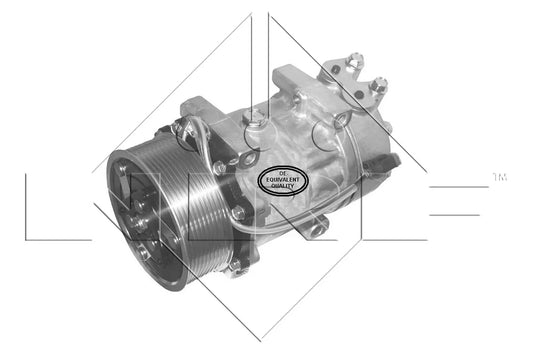
HGV air conditioning compressors: diagnosis and replacement
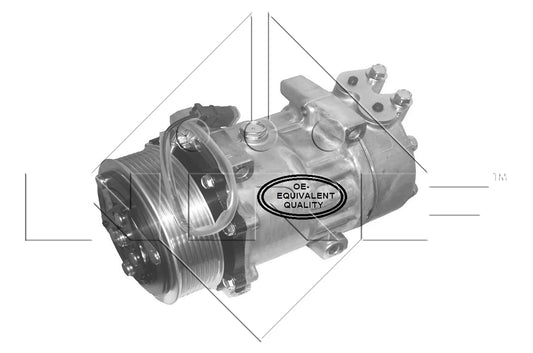
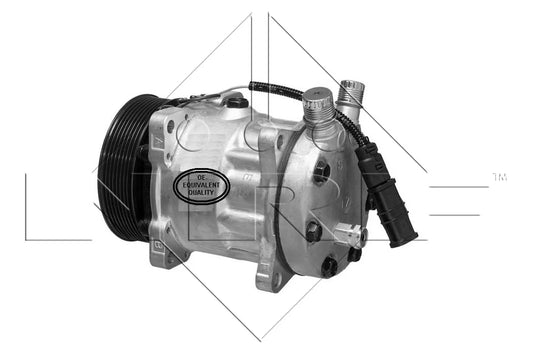
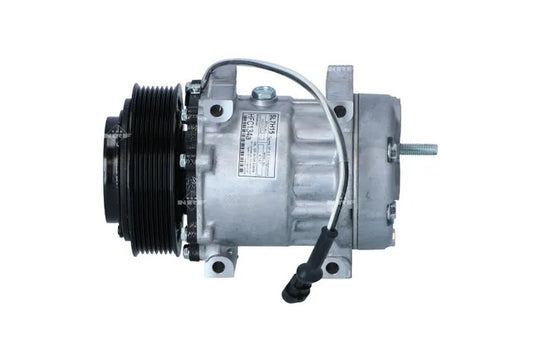
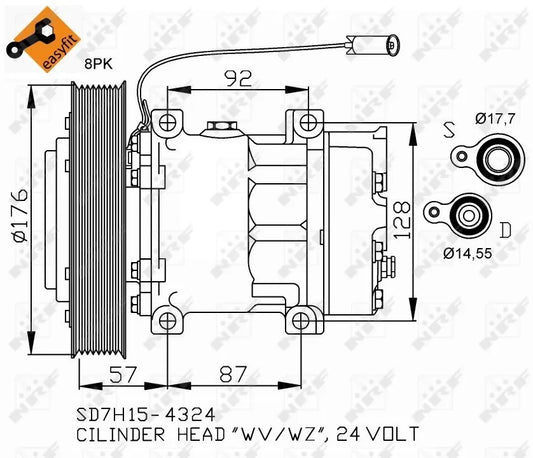
The air conditioning compressor on an HGV cab is driven off the engine accessory belt and cycles on and off under the control of the climate control system. Compressor failure on a commercial vehicle typically presents in one of two ways: seizure, where the compressor locks up and either shreds the drive belt or trips the clutch, or internal wear, where the compressor loses pressure gradually and the system stops cooling effectively.
Seized compressors are usually straightforward to diagnose — loss of the drive belt or a locked pulley identifies the fault. Internal wear is less obvious. A system that blows cool air at first but warms up quickly, or that requires frequent regassing to maintain performance, can indicate a leaking compressor shaft seal rather than the compressor itself failing to compress.
Before replacing the compressor, confirm the fault with a pressure test on both the high and low sides of the refrigerant circuit. A compressor that is drawing vacuum on the low side and building pressure on the high side is functioning. A compressor that shows little or no pressure differential between the two sides is failing. Also check the compressor clutch — on systems where the electromagnetic clutch has failed rather than the compressor body, the clutch-only replacement is significantly cheaper than a full compressor.
When fitting a new compressor, the correct refrigerant type and oil charge for the system must be used. Modern HGV AC systems typically use R-134a or R-1234yf refrigerant. Mixing refrigerant types or incorrect oil charge will cause compressor damage.
Frequently Asked Questions
What are the symptoms of a failing HGV AC compressor?
Reduced or no cooling from the cab climate system is the primary symptom. A seized compressor will cause a squealing belt or shredded belt condition. An intermittently failing compressor clutch causes the AC to cut in and out. Internal compressor wear produces gradual loss of cooling performance rather than a sudden failure. A refrigerant pressure test confirms whether the compressor is the source of the fault.
Do I need to flush the AC system when replacing a compressor?
Yes. A failed compressor, particularly one that has seized internally, can introduce metal debris into the refrigerant circuit. The receiver drier must be replaced at the same time as the compressor, and the system should be flushed to remove contamination before the new compressor is installed. Fitting a new compressor into a contaminated system will cause premature failure.
How is an HGV AC compressor replaced?
The refrigerant must be recovered by a qualified refrigerant technician before the system is opened. After recovery, the compressor drive belt is removed, the compressor mounting bolts are released, and the refrigerant lines are disconnected and capped. The replacement compressor is fitted with the correct oil charge pre-installed, the receiver drier replaced, and the system evacuated and recharged. All work involving refrigerant handling requires F-Gas certification.
What refrigerant does a truck AC system use?
Most HGV air conditioning systems use R-134a refrigerant. Newer vehicles may use R-1234yf. The refrigerant type is labelled on the AC system service port or compressor. Never mix refrigerant types. Always use the correct grade of compressor oil for the refrigerant type in use.