Grease guns and vehicle maintenance chemicals for HGV workshops
Greasing is one of the most important routine maintenance tasks on an HGV. Chassis nipples on steering linkages, fifth wheel kingpin, trailer suspension components, and driveshaft universal joints require regular greasing to prevent premature wear and seizure. A professional lever-action or pneumatic grease gun delivers consistent pressure to work grease past damaged or stiff nipples where a hand-pump gun may not generate sufficient force.
Grease selection matters. Multi-purpose lithium-based grease is the standard choice for most HGV chassis applications, but high-temperature moly grease is the correct specification for fifth wheel and kingpin applications where load is high and movement is slow. Using standard chassis grease in a high-load application results in grease breakdown and metal contact.
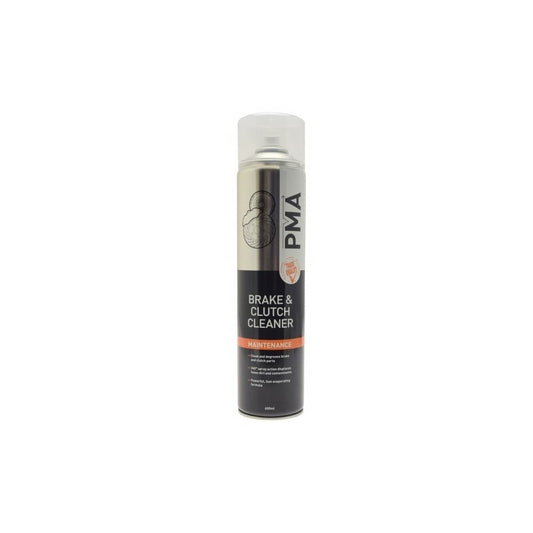
Penetrating oil is the first approach on seized fasteners before attempting removal, and should be applied generously and left to soak. Anti-seize compound is the correct treatment on reassembly of fasteners that are prone to seizing: brake caliper slider pins, exhaust studs, and wheel studs on aluminium hubs all benefit from anti-seize on reassembly. Brake cleaner is used for degreasing brake components before inspection and assembly: it evaporates without residue, unlike solvent cleaners that can contaminate brake linings. Call us or order online for next-day delivery.
Frequently Asked Questions
What type of grease should I use on an HGV fifth wheel?
Fifth wheel and kingpin applications require a heavy-duty EP (Extreme Pressure) grease or a dedicated fifth wheel grease that handles the high loads and slow relative movement of the fifth wheel coupling. Standard multi-purpose chassis grease is not appropriate for fifth wheel use. Use a product specifically rated for fifth wheel or kingpin applications and follow the manufacturer's greasing interval.
How often should I grease an HGV chassis?
Most manufacturers specify greasing chassis nipples every 6 weeks or at each service, whichever comes first. High-use components including steering joints, propshaft universal joints, and trailer suspension components may need attention more frequently depending on operating conditions. Check the manufacturer's lubrication chart for the specific nipple locations and intervals for your vehicle.
What is anti-seize compound and when should I use it?
Anti-seize compound is a lubricant containing metallic particles (copper, nickel, or zinc) that prevents metal-to-metal galling and seizure on fasteners and components that are assembled infrequently and exposed to heat or corrosion. Use it on exhaust manifold studs, wheel studs on aluminium hubs, brake caliper slide pins, and any fastener that is prone to seizing on removal. Do not apply anti-seize to wheel nuts themselves, as it reduces friction and affects the relationship between applied torque and clamp load.
What is the difference between penetrating oil and anti-seize?
Penetrating oil is used to break the corrosion bond on already-seized fasteners before removal: it wicks into the joint by capillary action and displaces moisture. Anti-seize is applied on reassembly to prevent future seizure. They are different products used at different stages of the same job. Applying penetrating oil at assembly is not a substitute for anti-seize.